 By
By 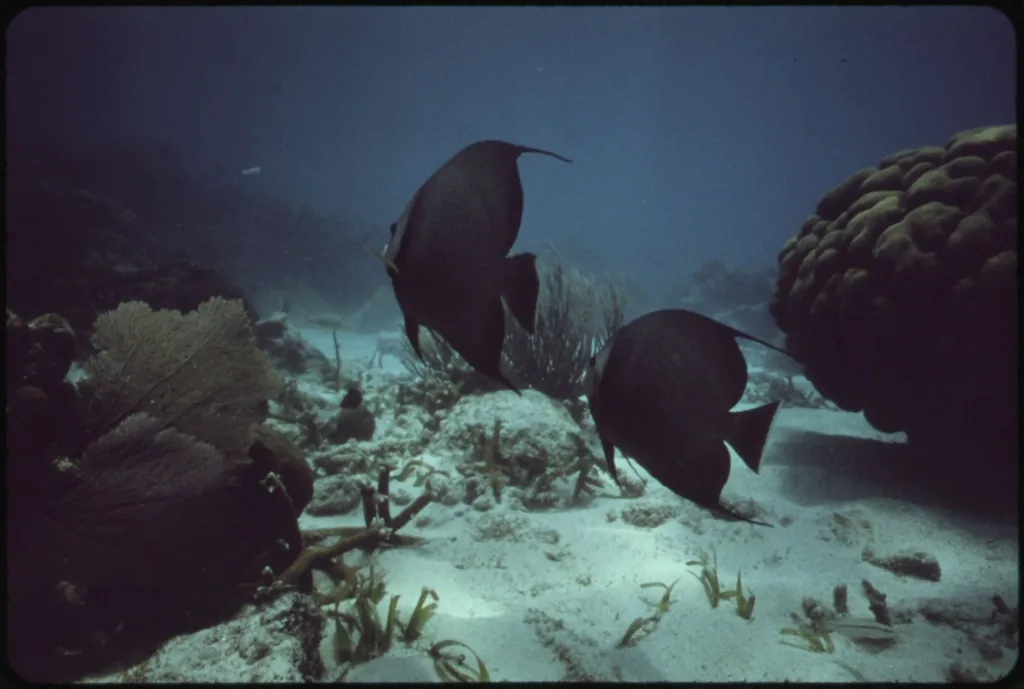
The queen conch, a species long considered a delicacy and a vital part of the Florida Keys ecosystem, continues to face significant threats, according to recent reports. A lawsuit filed by the Center for Biological Diversity has brought renewed attention to the species' endangered status and the protection of its essential habitats.
Lawsuit Alleges Missed Deadline for Habitat Protection
The Center for Biological Diversity has sued the U.S. Fish and Wildlife Service, alleging that the agency missed a court-ordered deadline to designate critical habitat for the threatened queen conch. This missed deadline, according to the lawsuit, leaves the conch's vital nursery and feeding grounds exposed to potential harm.
Queen conchs, scientifically known as *Aliger gigas*, were listed as threatened under the Endangered Species Act in 2022. The species has experienced a dramatic population decline over the past few decades due to overfishing and habitat loss. The designation of critical habitat is a crucial step in the recovery process, identifying and protecting areas essential for the species' survival and eventual recovery.
The lawsuit claims that the failure to designate critical habitat by the court-ordered date of October 1, 2023, violates the Endangered Species Act and jeopardizes the species' future.
The Center for Biological Diversity argues that without this designation, federal agencies are not required to consult with the Fish and Wildlife Service to ensure their actions do not adversely affect these critical areas. This lack of oversight could permit activities that further degrade or destroy the shallow seagrass beds and coral reefs where juvenile and adult conchs live and feed.
Ecological and Economic Importance of Queen Conch
The queen conch plays a significant role in the marine environment of the Florida Keys. As herbivores, they help maintain the health of seagrass beds, which are crucial nurseries for many other marine species. Their shells have also been a traditional part of local crafts and culture.
Historically, queen conchs were a cornerstone of the commercial and recreational fishing industries in South Florida. However, populations have dwindled to such an extent that harvesting them has been prohibited for years. The species' recovery is therefore not only an ecological imperative but also holds potential economic benefits for the region's tourism and sustainable fishing sectors in the long term.
The Center for Biological Diversity has been advocating for the protection of the queen conch since 2017, when it petitioned the U.S. Fish and Wildlife Service to list the species under the Endangered Species Act. The subsequent listing and the ongoing efforts to secure critical habitat designation underscore the urgency of the situation for this iconic marine mollusk. More information on the queen conch and its conservation status can be found on the U.S. Fish and Wildlife Service website.
Legal Action and Future Outlook
The lawsuit seeks to compel the U.S. Fish and Wildlife Service to complete the critical habitat designation process. The outcome of this legal action could have significant implications for the future management of coastal development and other activities within the Florida Keys that might impact the queen conch's environment.
Environmental groups emphasize that designating critical habitat is a proactive measure that helps prevent further population declines and supports the species' ability to rebound. The continued delay in this process, as alleged in the lawsuit, raises concerns among conservationists about the effectiveness of current protections for the threatened queen conch. Further details regarding the legal proceedings can be tracked through environmental law resources, such as those provided by Earthjustice, an organization often involved in such environmental litigation.
The Florida Keys, a unique and fragile ecosystem, depend on the health of its marine life. The ongoing efforts to protect the queen conch reflect a broader commitment to preserving the biodiversity and ecological integrity of this cherished region.