 By
By 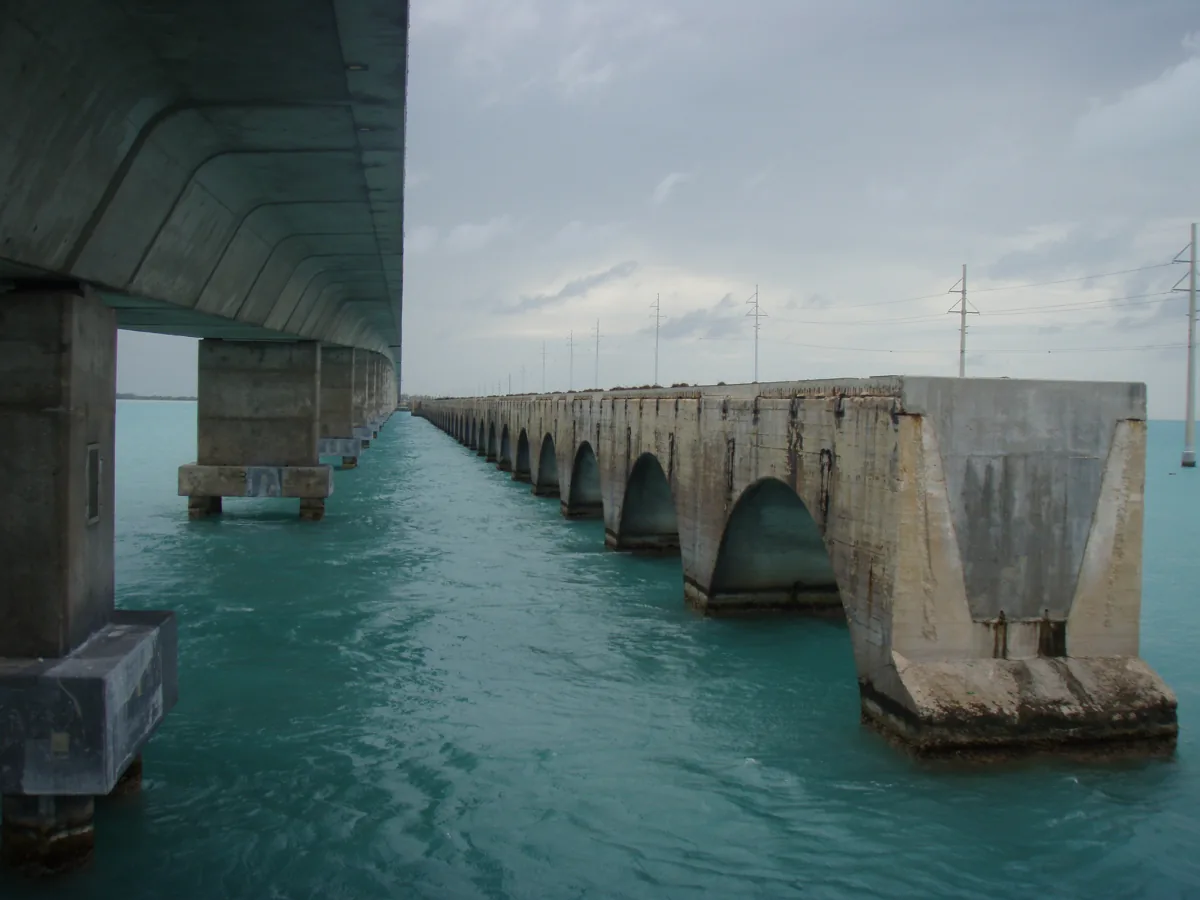
Henry Flagler's ambitious vision of connecting the Florida Keys to the mainland via the Florida East Coast Railway (F.E.C.) culminated on January 22, 1912, with the arrival of his private railcar in Key West. An estimated 10,000 people gathered to witness the event, celebrating the completion of a project that extended rail service to the island chain.
To accommodate Flagler's plans, 174 acres of new land, now known as Trumbo Point, were created in Key West through dredging and filling. This point became the terminus for the Key West Extension, serving not only as a passenger hub but also as a crucial link for freight and travel to Havana, Cuba. Three specialized ferries, each capable of carrying up to 26 railroad cars on four parallel tracks, facilitated this international transport. These ferries began operating in 1915, making the approximately eight-hour journey across the Straits of Florida at an average speed of 12 miles per hour.
The ferries transported goods such as sugar, molasses, tropical fruits like bananas and pineapples, dairy products, fuel, lumber, and sugar-processing machinery between the ports.
However, the railway's future faced significant challenges. Competition emerged with the opening of the New Orleans-based Seatrain in 1929. The economic fallout from the Wall Street Stock Exchange crash later that year, which ushered in the Great Depression, further impacted the F.E.C. The company implemented systemwide cutbacks in 1930 and defaulted on its mortgage bonds in September 1931, leading to the company being placed into receivership.
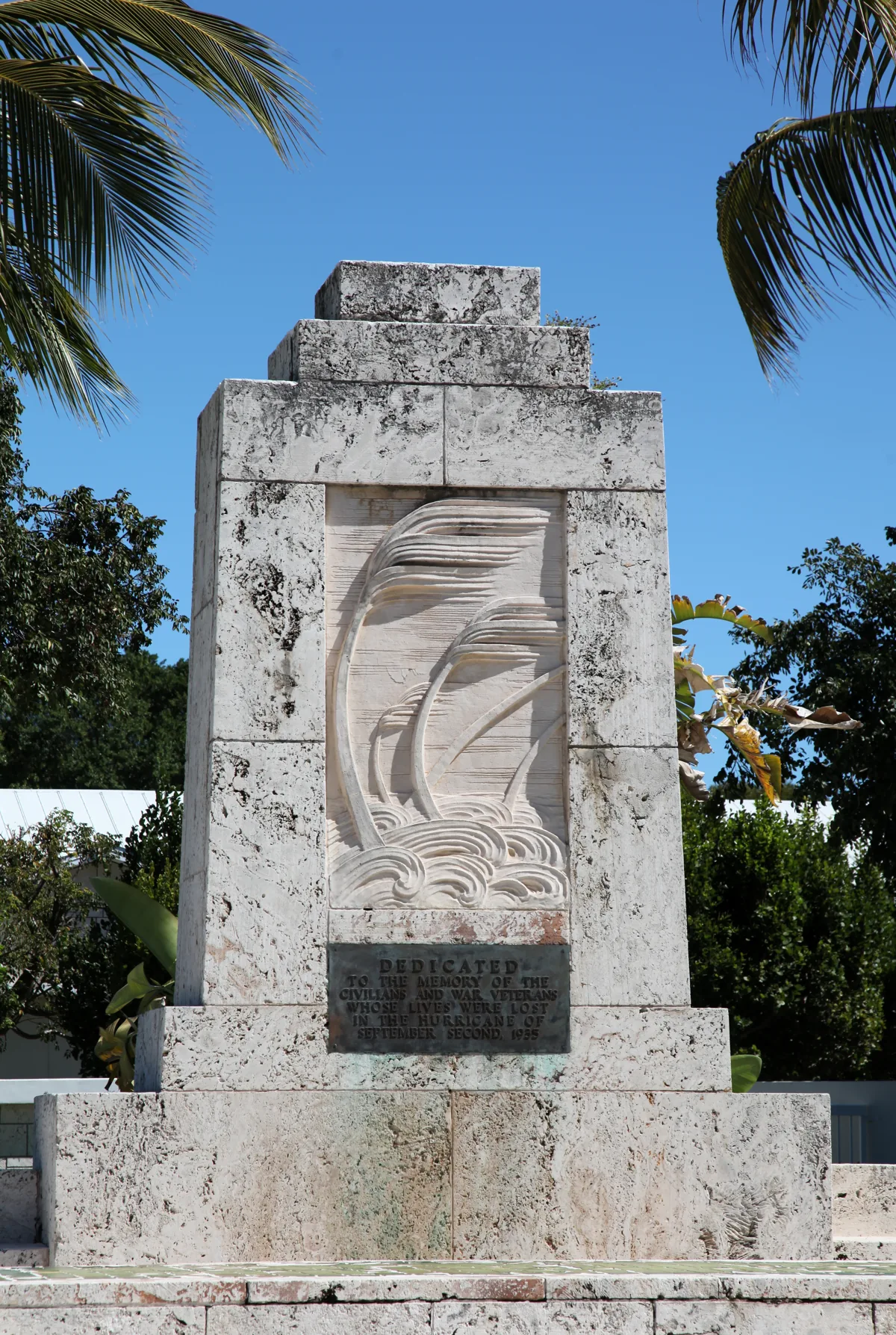
The ultimate demise of the Key West Extension was brought about by the devastating Labor Day Hurricane of 1935. While hurricanes have historically impacted the Keys, this Category 5 storm remains the most powerful hurricane ever to make landfall in North America. On September 2, 1935, the storm's eye crossed over Lower Matecumbe and Long Keys, unleashing sustained winds exceeding 180 mph and a tidal surge of 18 to 20 feet.
The hurricane's fury inflicted catastrophic damage, destroying several bridges in the Islamorada area and approximately 40 miles of railroad tracks. The storm's impact was so severe that the train never resumed service on the Keys line. The destruction effectively ended Henry Flagler's dream of a continuous rail link to Key West. The F.E.C. abandoned the Key West Extension south of Florida City, selling the right-of-way to the state of Florida for $640,000. Today, the modern Overseas Highway largely follows the original path of Flagler's railroad, a testament to the engineering feat that preceded the storm.
The 1935 Labor Day Hurricane's destructive power was concentrated in the Upper and Middle Keys, with Key West and the Lower Keys experiencing significantly less impact. While the storm raged in areas like Tavernier, Islamorada, Long Key, and Grassy Key, Key West reported temperatures in the low 80s with moderate winds. The Weather Bureau issued hurricane warnings for the area, urging precautions for those in exposed locations. The exact number of fatalities is unknown, but estimates suggest around 500 people lost their lives.
Following the hurricane, the F.E.C. railroad ferries were relocated to operate between Havana and Port Everglades on the mainland. After World War II, their operations shifted slightly north to the Port of Palm Beach. Ferry service to Havana eventually ceased in 1969. The legacy of the Labor Day Hurricane of 1935 serves as a stark reminder of the immense power of nature and its ability to reshape history, forever altering the transportation landscape of the Florida Keys. The event continues to be a somber topic of remembrance for many in the Keys, particularly around Labor Day weekend. For more historical details on the railway and the hurricane, the Keys Weekly provides further information.
The development and subsequent destruction of the railway highlight a significant chapter in the Keys' history, influencing its development and the eventual reliance on the highway system. The story of the railway and the hurricane is a key part of understanding the evolution of the Florida Keys. Further insights into Florida's real estate and market trends can be found through resources like Florida Realtors.