 By
By 
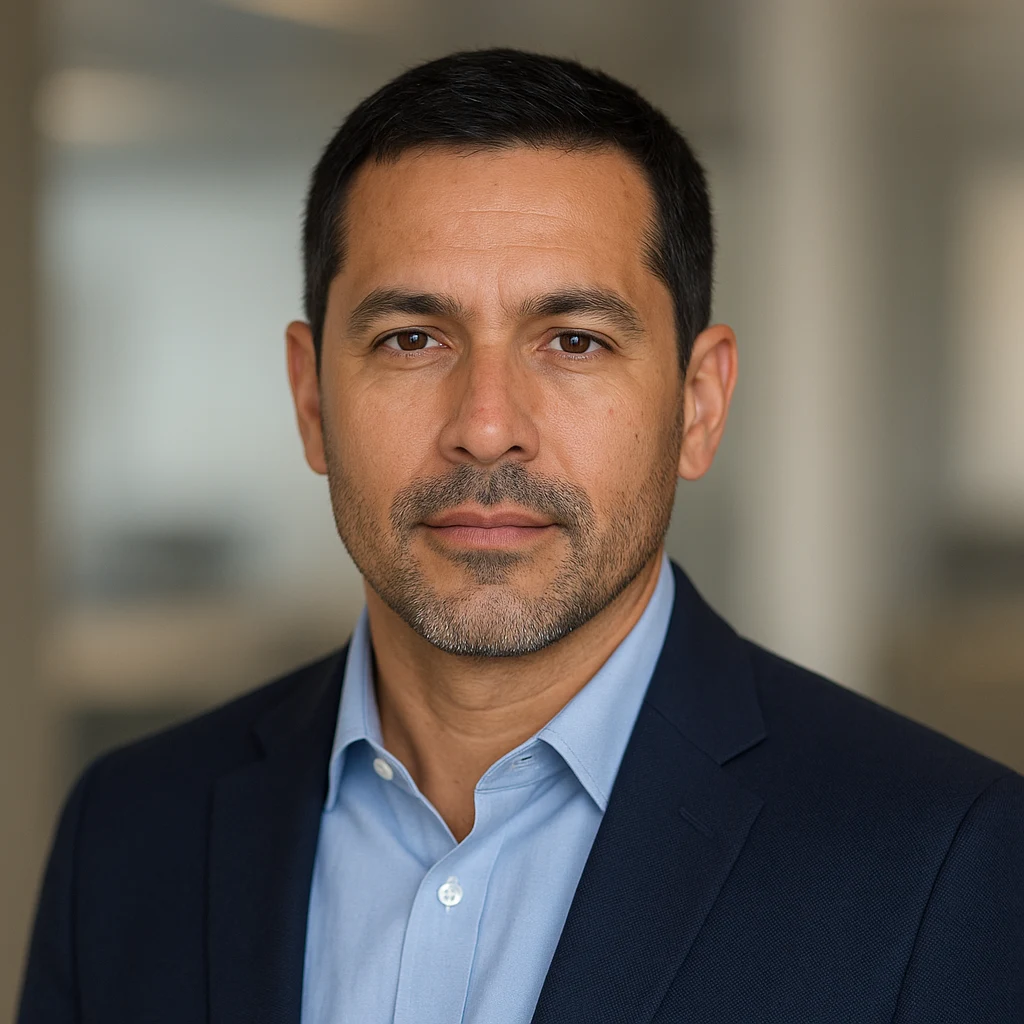
A Key West restaurateur, Bill Lay, is actively engaging with lawmakers in Tallahassee and Washington D.C. to propose a novel immigration reform plan aimed at addressing critical workforce shortages in the Florida Keys and across the state.
Immigration Plan Addresses Workforce Needs
Lay, who owns five restaurants, bars, and a catering company, has found himself increasingly involved in discussions surrounding immigration and deportation. His efforts, supported by the Florida Restaurant and Lodging Association, seek to find a middle ground on an issue that directly impacts his own kitchen staff and the broader Keys economy. He has met with legislators from both parties, including Carlos Gimenez, Byron Donalds, and Jared Moskowitz, and has been quoted in publications like the Wall Street Journal and the New York Times regarding the disappearing Florida workforce.
Lay's proposal, which he calls "self-registration," is designed as an alternative to self-deportation. He believes the current immigration system is a two-part problem: securing the border, which he feels has been addressed, and managing the estimated 20 million undocumented individuals already living and working in the United States. Deporting such a large population, he argues, would be a decades-long endeavor, and he asserts that the majority of these individuals are not criminals.
Under Lay's proposed program, undocumented immigrants without a criminal history would have a three-year window to meet specific requirements. These would include completing civics and English classes, and paying an annual fee of $500 for three years, which employers could cover. During this period, participants would not be eligible for social services or benefits, including Social Security or disability. Successful completion of all requirements within the three years would grant them approval to remain in the country.
Lay emphasized that the program must have a sunset clause after three years to prevent it from becoming a de facto amnesty program. He also described it as a "one-strike-you're-out" initiative. He believes this timeframe is sufficient for the estimated 20 million undocumented individuals to fulfill the program's conditions and continue working legally. Lay suggests that such a program could also eliminate the need for sanctuary cities.
The restaurateur highlighted the humanitarian aspect of his proposal, stating, "We need to protect ourselves, but we also need to show some humanity." He shared experiences of his own workers being detained for extended periods, causing significant disruption to their lives and employment, even though most are eventually released. Lay predicts that businesses, particularly in tourism-dependent areas like Key West, will face further challenges, such as reduced operating hours or services, if the labor shortage is not addressed. He views Key West as a microcosm of the national issue, noting that sectors like tourism, agriculture, and construction in Florida are heavily reliant on immigrant labor. For more details on the challenges faced by Florida's workforce, Keys Weekly reported on Lay's initiative. The Florida Keys, with its unique geography, cannot easily draw workers from distant locations, making labor shortages particularly acute.
Lay's advocacy comes at a time when businesses across the state are grappling with labor deficits. His plan aims to provide a structured pathway for undocumented workers to regularize their status while contributing to the economy and society. The proposal seeks to balance border security concerns with the practical realities of the existing undocumented population and the labor needs of key industries. For broader context on Florida's real estate and business climate, Florida Realtors often provides market insights.