 By
By 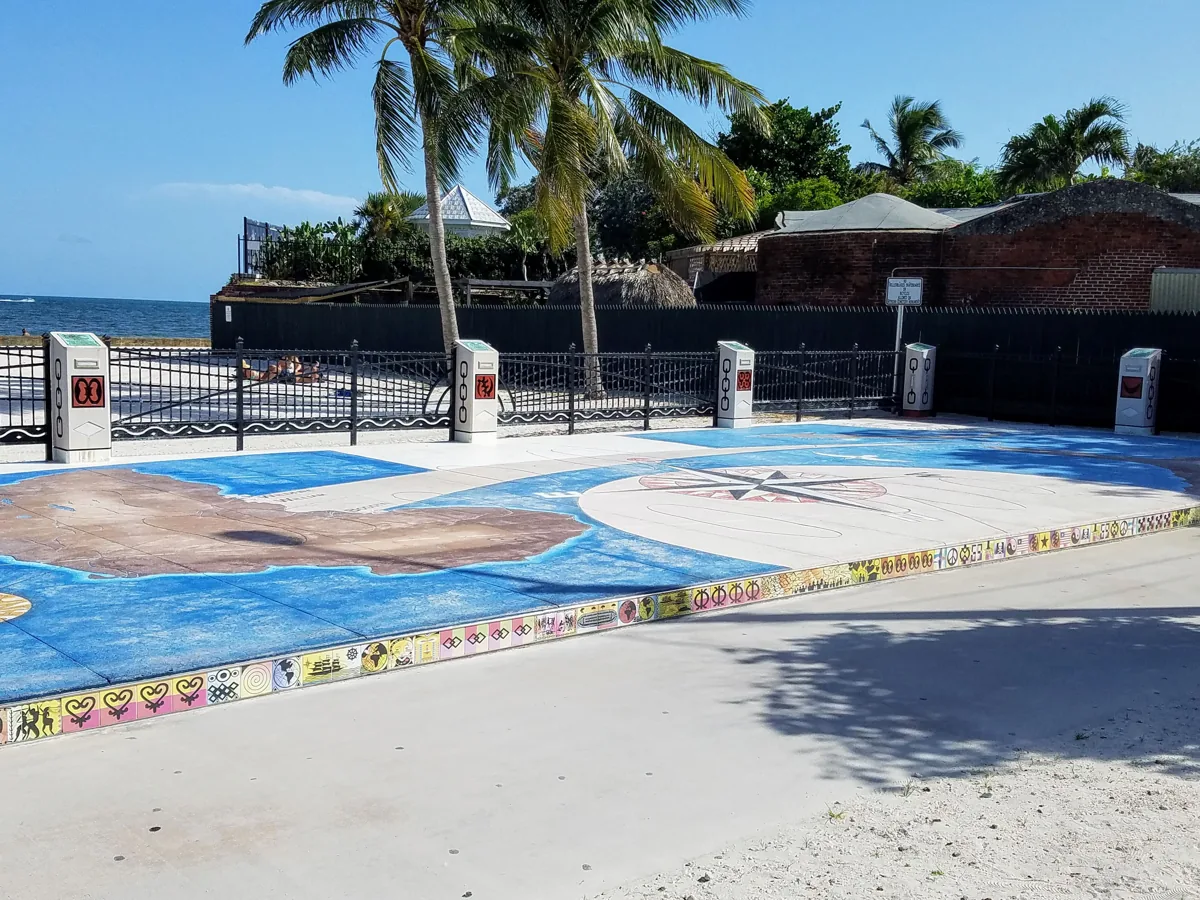
Key West's African Cemetery at Higgs Beach became a solemn site on August 23 for the International Day of Remembrance for the Slave Trade and Its Abolition. The ceremony included prayers, poetry readings, and historical reflections on the tragic events of the past.
Commemoration of Rescued Africans
The cemetery serves as the final resting place for 295 Africans who perished in Key West in 1860. These individuals were among 1,432 Africans rescued from illegal slave ships bound for Cuba. U.S. Navy vessels intercepted the ships at sea, bringing the rescued people to Key West.
Local residents provided essential support, including food, clothing, and temporary barracks, for the rescued Africans while they awaited transport back to Liberia. Liberia, a West African nation established by the United States for freed slaves, was a distant destination from their original homes and places of capture.
Tragedy and Illness in Key West
During their time in Key West, many of the rescued Africans, including a significant number of children, succumbed to illness and injuries sustained during their ordeal on the slave ships. These 295 individuals were buried in unmarked graves at the site now known as Higgs Beach.
Memorialization and Historical Research
In 2002, historian Corey Malcom and other researchers utilized ground-penetrating radar to pinpoint the locations of these graves. To honor the deceased without disturbing their remains, the site was transformed into a memorial. The burial area is now covered by concrete slabs and features artwork created by artist and professor Gene Tinnie.
International Day of Remembrance
The International Day of Remembrance for the Slave Trade and Its Abolition, observed annually on August 23, aims to embed the tragedy of the slave trade into global memory. According to UNESCO, the United Nations Educational, Scientific and Cultural Organization, the day encourages reflection on the causes, methods, and lasting consequences of the slave trade. For more details on the international observance, consult the UNESCO website.
The Keys Weekly reported on the significance of this commemoration in Key West.