 By
By 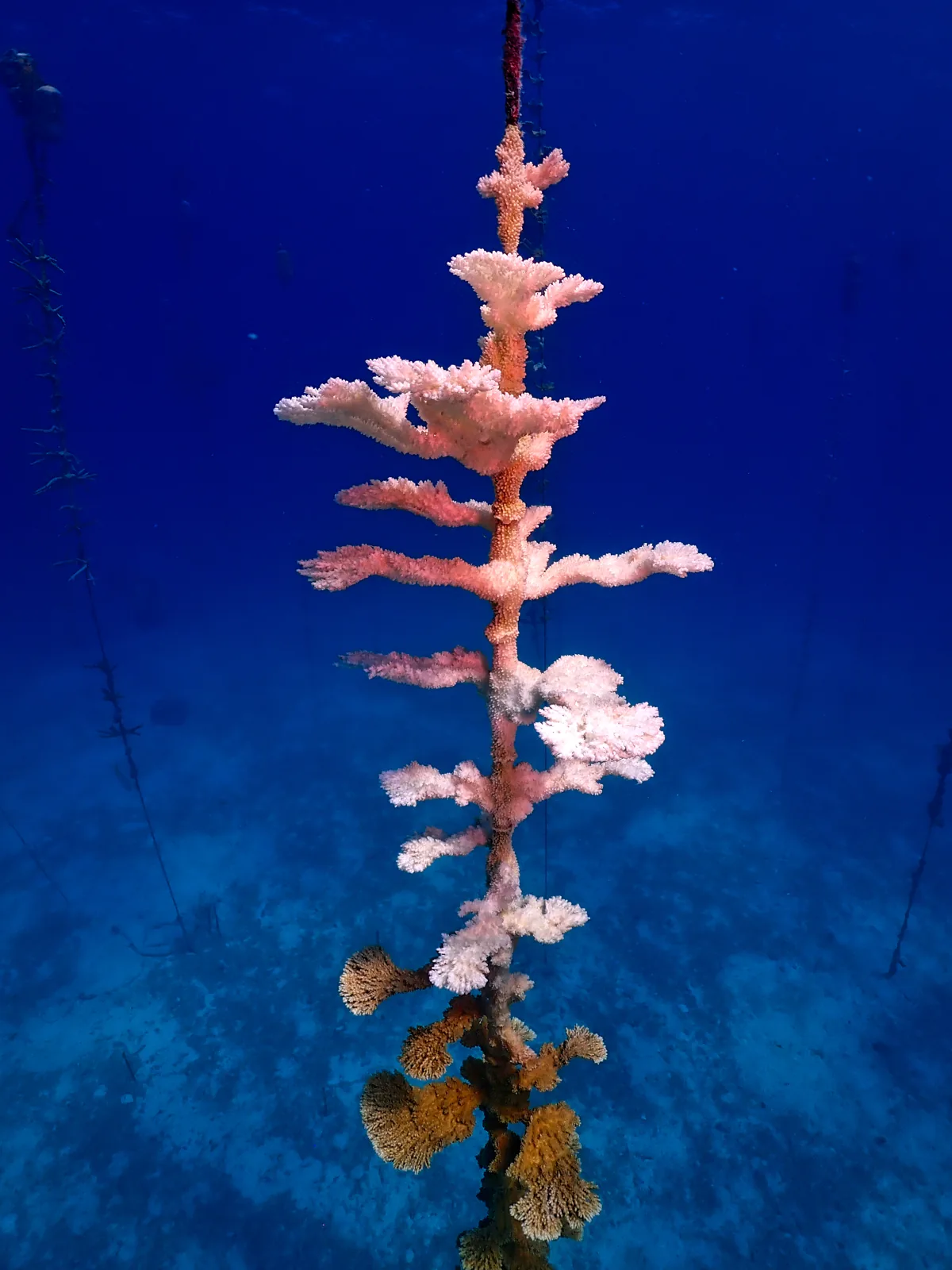
An innovative program aimed at restoring sponges on Florida's coral reef tract is now in its fifth year, according to reports from the Keys Weekly. The initiative, led by the Islamorada-based nonprofit I.CARE, is believed to be the world's first large-scale coral reef sponge restoration effort.
Pioneering Sponge Restoration
Bobbie Renfro-Price, I.CARE’s director of sponge restoration research development, known affectionately as “Sponge Bobbie,” stated that the program has advanced significantly since its experimental beginnings. “We are now in our fifth year of sponge restoration,” Renfro-Price said. “When we last spoke, the program was in the pioneering stages of developing transplanting methods. Now, we have transplanting methods that have an over 70% survival rate at one year.”
Initially, the program focused on answering whether reef sponges could be restored effectively on a large scale. Over 2,600 sponges have been transplanted onto the reef tract with the assistance of more than 400 recreational scuba divers. I.CARE has also established a sponge nursery in collaboration with Mote Marine Laboratory, implemented long-term monitoring, and continues to research sponge ecology and disease.
Ecological Importance of Sponges
The success of I.CARE's work highlights a growing recognition of the crucial role sponges play in reef ecosystems. Often overlooked in favor of more visually striking marine life, sponges are vital for filtering seawater, stabilizing loose coral rubble to aid new coral settlement, providing habitat for numerous marine animals, and serving as a food source for endangered Hawksbill sea turtles. Scientists have likened their functions to the reef's kidneys, water filters, living hotels, and even the structural “glue” that holds reefs together.
Renfro-Price explained that the initial motivation for sponge restoration was to support coral restoration efforts by reducing erosion on barren rock, reinforcing the reef structure, and improving water quality around the reef. However, major environmental events like Hurricane Irma and the fourth global coral bleaching event underscored the vulnerability of sponge populations, similar to corals. This has broadened the program's focus to include preserving sponge biodiversity for its own sake, in addition to their functional importance.
Resilience and Future Efforts
Data collected by I.CARE suggests that the sponge species they are working with may exhibit greater resilience to warming ocean temperatures compared to many corals. “Our data are currently showing that the sponge species we work with may be more resilient to the detrimental effects of warming oceans at the current temperatures,” Renfro-Price noted. However, she cautioned that this resilience does not equate to immunity and stressed the continued necessity of global efforts to reduce carbon emissions.
I.CARE views sponge restoration as an integral component of a holistic approach to rebuilding the entire reef ecosystem. “We recognize that the coral reef is a complex, interconnected system,” Renfro-Price stated. “The best chance for restoration success is to promote the function of the whole system.” The organization's efforts have inspired similar restoration projects in locations such as Antigua, Barbuda, and the Red Sea.
Public Participation
I.CARE, in partnership with Key Dives, hosts public sponge restoration training dives every second Thursday. These dives are open to recreational divers with at least 30 logged dives. “We are thrilled to have public participation on our program,” Renfro-Price said. Interested individuals can contact Key Dives at 305-664-2211 to inquire about the I.CARE sponge restoration trips. More information about the reef ecosystem can be found on the Keys Weekly website.
The Florida Keys are home to the third-largest barrier reef in the world, a vital ecosystem facing numerous threats. Understanding and supporting restoration efforts like I.CARE's is crucial for its long-term health. Further details on marine conservation and the Florida Keys reef system can be explored through resources like Florida Realtors.